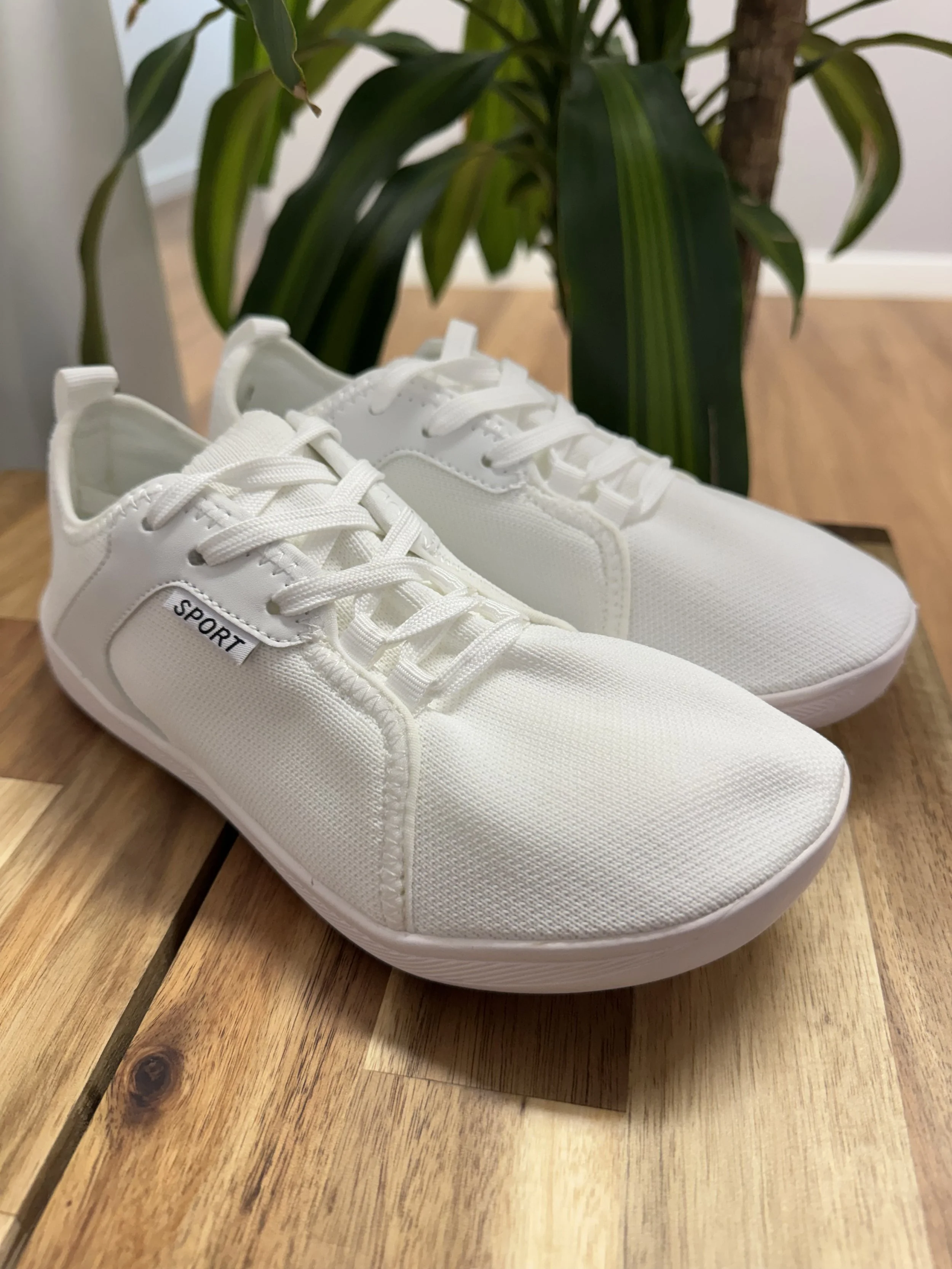
BAREFOOT SHOES TOOWOOMBA
STAND WELL
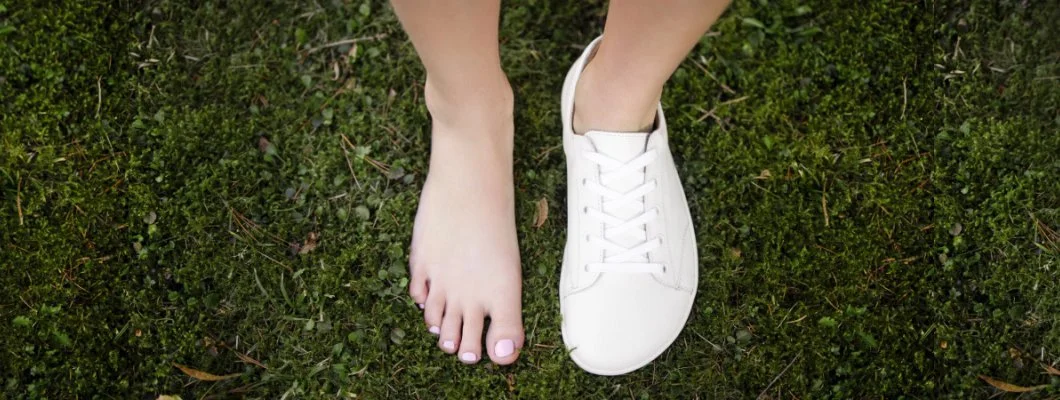
If you have to wear shoes make them barefoot.
What is a barefoot shoe?
Barefoot shoes are simply shoes that allow your feet to move naturally. They have a wider, foot shaped toe box that provides better balance, greater stability and improved posture. The thin flexible zero drop soles on barefoot shoes allow for a more neutral position of the ankles, knees, hips, and spine, and they provide a heightened sense of ground feel and sensory feedback.
Barefoot shoes are purposefully engineered to replicate the natural feel of walking or running barefoot while protecting feet from hazards. They offer a minimalist, flexible footprint with a wide toe box and a thin, durable sole. The result is a footwear experience that promotes natural movement, improved foot engagement, and a closer connection to the ground.
Key features
Zero-drop platform: Heel and forefoot are level, encouraging a balanced, midfoot-driven stride.
Wide toe box: Toe splay supports stability, balance, and natural foot function.
Thin, flexible sole: Enhanced ground contact for proprioceptive feedback and agile movement.
Lightweight construction: Reduced fatigue and improved ground feel for everyday wear or intense activity.
Minimal cushioning and support: Encourages intrinsic foot strength and natural mechanics.
Durable, grippy outsole: Traction across surfaces without compromising flexibility.
Breathable materials: Keeps feet cool and comfortable during long wear.
Customer benefits
Stronger feet and improved balance: Regular use strengthens intrinsic foot muscles and stabilizing tendons.
Natural gait and posture: Promotes a more efficient stride, which can reduce excessive load on joints.
Proprioception and confidence: Enhanced ground feel helps with awareness and agility in daily activities and workouts.
Lower injury risk for certain conditions: By encouraging midfoot striking and flexible foot movement, some wearers report improvements in bunion management and plantar fascia alignment when transitioning gradually.
Versatility across activities: Suitable for walking, running, gym workouts, and everyday wear, especially for those seeking a more natural footwear experience.
Whats wrong with my regular shoes?
‘Regular’ shoes prevent healthy posture as they hinder natural toe splay with a narrow toe box. The cushioning in ‘regular’ shoes can cause misalignment in your feet and ankles, which then creates issues for your knees, hips, and back. The heels in ‘regular’ shoes alter the body’s natural alignment and put unnecessary pressure on the body. And shoes with thick soles dramatically reduce the sensory feedback provided by your feet to your brain, essential for effective movement.
Positioning and messaging
Core claim: Feel the ground, move naturally, protect your feet.
Audience angles:
Natural movement enthusiasts who want closer-to-ground feedback.
Fitness-focused individuals seeking improved foot strength and balance.
Parents seeking durable, flexible footwear for active kids.
Transition narrative: Emphasize a gradual, safer transition from traditional shoes with guidance on progressive wear-in timelines and foot-strengthening exercises.
Brand voice and tone
Honest, educational, and empowering.
Avoid overpromising; acknowledge a transition period and provide practical tips for acclimation.
Proof points and evidence
References to biomechanics and studies on foot strength, balance, and gait improvements with minimalist footwear can support claims.
Customer testimonials and before/after foot health stories add credibility.
Transition guidance from professionals (e.g., gradual wear schedules, exercises) enhances trust.
Customer journey touchpoints
Discovery: Social media, influencer partnerships, and educational content about barefoot benefits and features.
Consideration: Side-by-side comparisons with traditional footwear, durability tests, and material specs.
Purchase: Clear sizing guidance, fit tips, and trial or return options to reduce risk.
Adoption: Transition plans, supportive content on foot-strength routines, and community forums.
Illustrative example (brief)
A marketing landing hero could read: “Feel the ground under your feet. Our barefoot shoes offer a zero-drop, wide-toe design with a thin, flexible sole—so you move more naturally, with better balance and foot strength, every day.”
Barefoot shoes are an essential step to finding your proper standing position and healthy posture. They have a wider, foot shaped toe box that provides better balance, greater stability and improved posture. The thin flexible zero drop soles allow for a more neutral position of the ankles, knees, hips, and spine. It provides a heightened sense of ground feel and sensory feedback.
Transitioning to barefoot shoes is usually a journey. Our body often needs time to adjust and encourage the feet to regain muscle strength. Some, however, make the jump very quickly.
Come in and look at the range and try some on in store.
If you have to wear shoes make them barefoot.
What is a barefoot shoe?
Barefoot shoes are simply shoes that allow your feet to move naturally. They have a wider, foot shaped toe box that provides better balance, greater stability and improved posture. The thin flexible zero drop soles on barefoot shoes allow for a more neutral position of the ankles, knees, hips, and spine, and they provide a heightened sense of ground feel and sensory feedback.
Whats wrong with my regular shoes?
Have you ever noticed that regular shoes are not shaped like a foot?
Barefoot shoes are purposefully engineered to replicate the natural feel of walking or running barefoot while protecting feet from hazards. They offer a minimalist, flexible footprint with a wide toe box and a thin, durable sole. The result is a footwear experience that promotes natural movement, improved foot engagement, and a closer connection to the ground.
Key features
Zero-drop platform: Heel and forefoot are level, encouraging a balanced, midfoot-driven stride.
Wide toe box: Toe splay supports stability, balance, and natural foot function.
Thin, flexible sole: Enhanced ground contact for proprioceptive feedback and agile movement.
Lightweight construction: Reduced fatigue and improved ground feel for everyday wear or intense activity.
Minimal cushioning and support: Encourages intrinsic foot strength and natural mechanics.
Durable, grippy outsole: Traction across surfaces without compromising flexibility.
Breathable materials: Keeps feet cool and comfortable during long wear.
Customer benefits
Stronger feet and improved balance: Regular use strengthens intrinsic foot muscles and stabilizing tendons.
Natural gait and posture: Promotes a more efficient stride, which can reduce excessive load on joints.
Proprioception and confidence: Enhanced ground feel helps with awareness and agility in daily activities and workouts.
Lower injury risk for certain conditions: By encouraging midfoot striking and flexible foot movement, some wearers report improvements in bunion management and plantar fascia alignment when transitioning gradually.
Versatility across activities: Suitable for walking, running, gym workouts, and everyday wear, especially for those seeking a more natural footwear experience.
Positioning and messaging
Core claim: Feel the ground, move naturally, protect your feet.
Audience angles:
Natural movement enthusiasts who want closer-to-ground feedback.
Fitness-focused individuals seeking improved foot strength and balance.
Parents seeking durable, flexible footwear for active kids.
Transition narrative: Emphasize a gradual, safer transition from traditional shoes with guidance on progressive wear-in timelines and foot-strengthening exercises.
Brand voice and tone
Honest, educational, and empowering.
Avoid overpromising; acknowledge a transition period and provide practical tips for acclimation.
Proof points and evidence
References to biomechanics and studies on foot strength, balance, and gait improvements with minimalist footwear can support claims.
Customer testimonials and before/after foot health stories add credibility.
Transition guidance from professionals (e.g., gradual wear schedules, exercises) enhances trust.
Customer journey touchpoints
Discovery: Social media, influencer partnerships, and educational content about barefoot benefits and features.
Consideration: Side-by-side comparisons with traditional footwear, durability tests, and material specs.
Purchase: Clear sizing guidance, fit tips, and trial or return options to reduce risk.
Adoption: Transition plans, supportive content on foot-strength routines, and community forums.
Illustrative example (brief)
A marketing landing hero could read: “Feel the ground under your feet. Our barefoot shoes offer a zero-drop, wide-toe design with a thin, flexible sole—so you move more naturally, with better balance and foot strength, every day.”
‘Regular’ shoes prevent healthy posture as they hinder natural toe splay with a narrow toe box. The cushioning in ‘regular’ shoes can cause misalignment in your feet and ankles, which then creates issues for your knees, hips, and back. The heels in ‘regular’ shoes alter the body’s natural alignment and put unnecessary pressure on the body. And shoes with thick soles dramatically reduce the sensory feedback provided by your feet to your brain, essential for effective movement.
Barefoot shoes are an essential step to finding your proper standing position and healthy posture. They have a wider, foot shaped toe box that provides better balance, greater stability and improved posture. The thin flexible zero drop soles allow for a more neutral position of the ankles, knees, hips, and spine. It provides a heightened sense of ground feel and sensory feedback.
Transitioning to barefoot shoes is usually a journey. Our body often needs time to adjust and encourage the feet to regain muscle strength. Some, however, make the jump very quickly.
Come in and look at the range and try some on in store.